Can you visit right now?
Unlike Göbekli Tepe, which has a visitor centre and walkways, Sayburç is still being uncovered. Access varies with the excavation season and permissions, and there is no ticket booth. That is exactly why a guided visit matters: it gets you there at the right time and, more importantly, makes sense of what you're looking at.
The recommended route
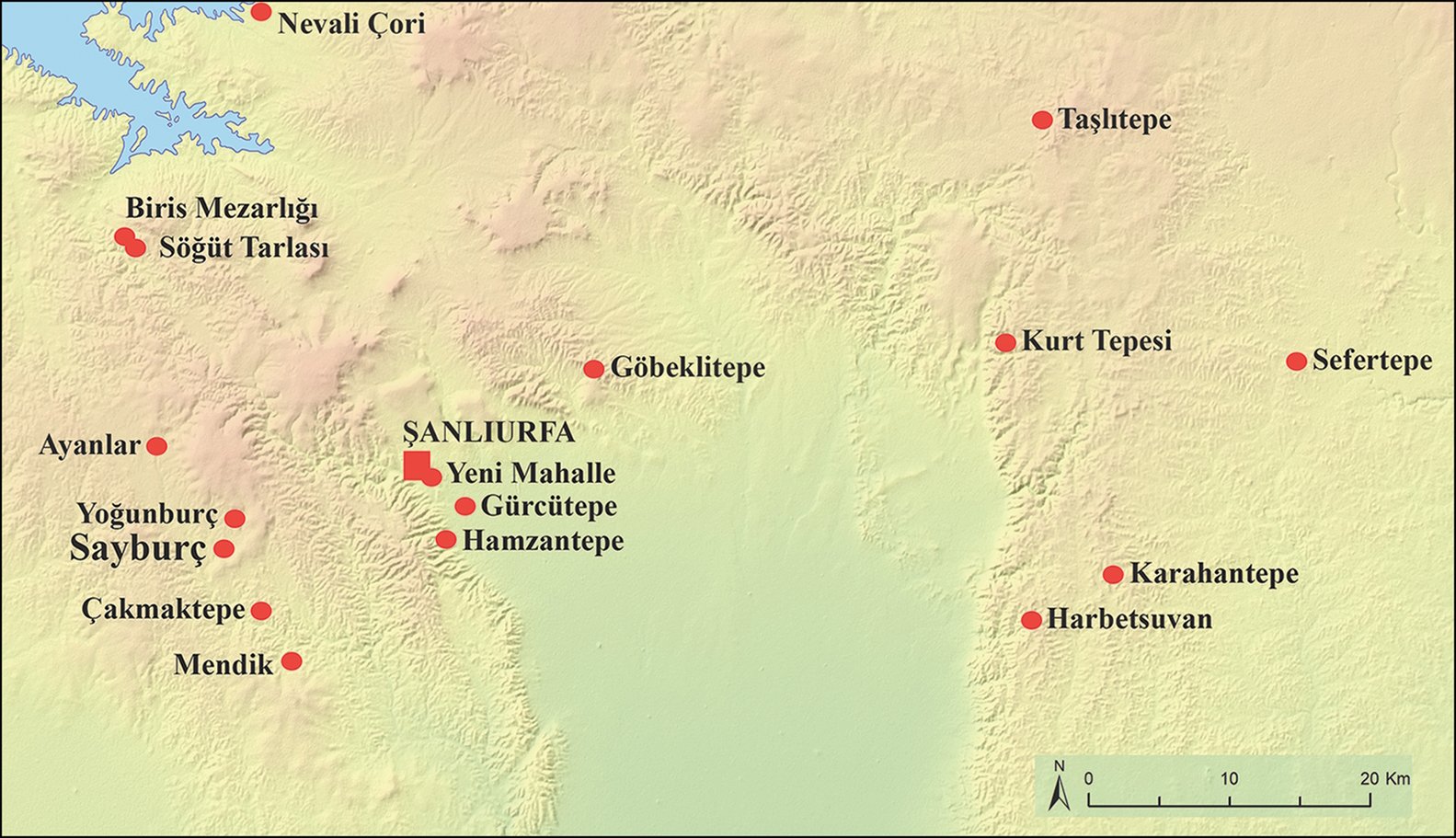
Sayburç is most rewarding as part of the wider landscape. The route we recommend threads the whole story together in a day or two, based in Şanlıurfa:
- Şanlıurfa Archaeology Museum — start here. The finds and context make everything after it legible.
- Göbekli Tepe — the monumental enclosures, the world's first temple.
- Karahan Tepe — the sister site to the east, with its carved heads and rock-cut rooms.
- Sayburç — the village with the story on its wall, access permitting.
Getting there & when to go
Fly into Şanlıurfa (GNY), or reach it overland from Gaziantep. The comfortable seasons are spring (April–May) and autumn (September–October) — summer on the plateau is very hot, and winter can be wet. Excavation is typically a warm-season activity, so late spring through early autumn also gives the best chance of seeing active work.
What you'll see
At the sites themselves: monumental architecture, the hilltop landscapes, and the spatial setting of the famous buildings. At Sayburç specifically, when access allows, the communal buildings, houses and the setting of the narrative relief. In the museum: the objects and the context that tie it together.
Common questions
Can I just show up at Sayburç?
Not reliably — it's an active dig without visitor infrastructure. Go with a guide who can arrange timing and access.
Is there a Sayburç museum yet?
A village/open-air museum was announced in August 2026 but is not yet open. See regional finds at the Şanlıurfa Archaeology Museum for now — more in our news report.
How much time do I need?
A full day covers the museum plus Göbekli and Karahan; two days lets the landscape — and Sayburç — breathe.